Desbloqueie Novos Públicos com Tradução de Vídeo AI de Hindi para Chinês
Última Atualização




Ir para a seção
Ir para a seção

Partilhar
Partilhar
Partilhar
Ferramenta de Tradução, Localização e Dublagem de Vídeo com IA
Experimente gratuitamente
Quando Uma Tradução Abre a Porta para Mais de Um Bilhão de Espectadores
Aqui está um cenário comum: um criador faz upload de conteúdo consistente em Hindi, ganha força na Índia, mas começa a se perguntar o que aconteceria se seus vídeos alcançassem públicos fora do Sul da Ásia.
No momento em que o conteúdo se torna disponível em chinês—Mandarim ou Cantonês—o tamanho do público não apenas cresce… ele se multiplica. Com mais de um bilhão de falantes de chinês em todo o mundo, um único vídeo dublado pode de repente circular em mercados muito maiores do que o alcance original.
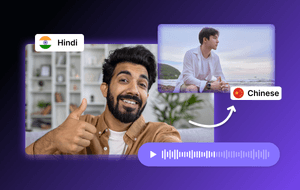
Essa é a mudança que Perso AI permite ao transformar vídeos em Hindi em conteúdo chinês com voz natural e sincronização labial em minutos.
O Que Torna o Par Hindi–Chinês Tão Poderoso
Essa combinação conecta dois dos maiores grupos linguísticos do mundo. Hindi representa mais de 600 milhões de falantes, enquanto o chinês—incluindo Mandarim e Cantonês—cobre mais de 1,4 bilhão de pessoas na China e nas comunidades diaspóricas globais.
Para os criadores, isso significa que seu conteúdo ganha acesso a:
Um público chinês altamente digital e voltado para a tecnologia
Mercados massivos centrados em dispositivos móveis na Índia e no Leste Asiático
Espectadores que preferem fortemente experiências de vídeo localizadas
Grupos de consumidores que ditam tendências em e-commerce, entretenimento e educação
Traduzir para chinês não é apenas expandir—é entrar em um dos ecossistemas digitais mais influentes do mundo.
Como os Chineses Consomem Conteúdo
Falantes de chinês interagem com vídeos de maneira diferente de muitos mercados. Streaming é uma norma cultural, o consumo em dispositivos móveis é extremamente alto, e plataformas impulsionadas por algoritmos ajudam vídeos a se espalharem rapidamente.
Plataformas populares incluem:
Douyin (TikTok China)
Kuaishou
Bilibili
Xiaohongshu
Canais WeChat
YouTube, Instagram, TikTok (fora da China continental)
Essas plataformas prosperam com conteúdo localizado, o que significa que dublar seus vídeos em chinês ajuda você a se destacar em um ambiente digital competitivo.
Os espectadores que falam chinês também interagem bastante com conteúdo educacional, de estilo de vida, entretenimento e tecnologia—áreas exatas onde criadores de Hindi muitas vezes se destacam.
Um Olhar Mais Próximo nas Comunidades Falantes de Chinês
Enquanto a China detém a maior base de falantes, o chinês é amplamente utilizado em:
Singapura
Taiwan
Hong Kong
Macau
Malásia
Tailândia
E comunidades diaspóricas fortes também existem em:
Estados Unidos
Canadá
Austrália
Reino Unido
Várias nações europeias
Essas comunidades consomem ativamente conteúdo digital em Mandarim e Cantonês, oferecendo alcance bem além do Leste Asiático.
Por Que a IA é o Novo Padrão para Tradução de Vídeos
A localização tradicional envolvia tradutores, atores de voz, sessões de estúdio e edição manual—muitas vezes levando dias ou semanas.
A IA simplifica todo esse processo:
Geração de voz soa natural
Sincronia labial totalmente automatizada
Tom emocionalmente preciso
Tempo de execução rápido
Sem necessidade de produção de estúdio
Custo menor que a localização manual
Isso ajuda criadores a produzir conteúdo multilíngue em escala, sem perder a autenticidade da mensagem original.
Como Traduzir um Vídeo em Hindi para Chinês Usando Perso AI
O fluxo de trabalho é intencionalmente simples:
Visite Perso AI Video Translator
→ Faça upload de seu vídeo ou insira um link de mídia social
→ Selecione Hindi → Chinês (ou a direção reversa)
→ Ative a sincronização labial se quiser movimento realista da boca
→ Clique em Traduzir
Em minutos, você obtém uma versão dublada em chinês polida de seu conteúdo.
A Vantagem Digital de Falar para Ambos os Mercados
A população digital em rápida expansão da Índia e o público maduro e de alta tecnologia da China formam uma combinação única. Criadores de Hindi acessando mercados chineses ganham visibilidade entre:
Usuários móveis altamente ativos
Públicos de e-learning em rápido crescimento
Consumidores impulsionados por e-commerce
Grupos da diáspora global ávidos por conteúdo localizado
O resultado? Maior engajamento, maior alcance da marca e oportunidades em mercados anteriormente fora de alcance.
Não Deixe que Um Único Idioma Limite Seu Alcance
Os maiores mercados do mundo assistem a vídeos todos os dias—mas os públicos respondem melhor quando o conteúdo está em seu próprio idioma. A tradução de Hindi para Chinês torna isso possível instantaneamente.
Comece a criar conteúdo multilíngue com Perso AI hoje e veja como um único vídeo traduzido pode transformar seu alcance de público em toda a Ásia e além.
Quando Uma Tradução Abre a Porta para Mais de Um Bilhão de Espectadores
Aqui está um cenário comum: um criador faz upload de conteúdo consistente em Hindi, ganha força na Índia, mas começa a se perguntar o que aconteceria se seus vídeos alcançassem públicos fora do Sul da Ásia.
No momento em que o conteúdo se torna disponível em chinês—Mandarim ou Cantonês—o tamanho do público não apenas cresce… ele se multiplica. Com mais de um bilhão de falantes de chinês em todo o mundo, um único vídeo dublado pode de repente circular em mercados muito maiores do que o alcance original.
Essa é a mudança que Perso AI permite ao transformar vídeos em Hindi em conteúdo chinês com voz natural e sincronização labial em minutos.
O Que Torna o Par Hindi–Chinês Tão Poderoso
Essa combinação conecta dois dos maiores grupos linguísticos do mundo. Hindi representa mais de 600 milhões de falantes, enquanto o chinês—incluindo Mandarim e Cantonês—cobre mais de 1,4 bilhão de pessoas na China e nas comunidades diaspóricas globais.
Para os criadores, isso significa que seu conteúdo ganha acesso a:
Um público chinês altamente digital e voltado para a tecnologia
Mercados massivos centrados em dispositivos móveis na Índia e no Leste Asiático
Espectadores que preferem fortemente experiências de vídeo localizadas
Grupos de consumidores que ditam tendências em e-commerce, entretenimento e educação
Traduzir para chinês não é apenas expandir—é entrar em um dos ecossistemas digitais mais influentes do mundo.
Como os Chineses Consomem Conteúdo
Falantes de chinês interagem com vídeos de maneira diferente de muitos mercados. Streaming é uma norma cultural, o consumo em dispositivos móveis é extremamente alto, e plataformas impulsionadas por algoritmos ajudam vídeos a se espalharem rapidamente.
Plataformas populares incluem:
Douyin (TikTok China)
Kuaishou
Bilibili
Xiaohongshu
Canais WeChat
YouTube, Instagram, TikTok (fora da China continental)
Essas plataformas prosperam com conteúdo localizado, o que significa que dublar seus vídeos em chinês ajuda você a se destacar em um ambiente digital competitivo.
Os espectadores que falam chinês também interagem bastante com conteúdo educacional, de estilo de vida, entretenimento e tecnologia—áreas exatas onde criadores de Hindi muitas vezes se destacam.
Um Olhar Mais Próximo nas Comunidades Falantes de Chinês
Enquanto a China detém a maior base de falantes, o chinês é amplamente utilizado em:
Singapura
Taiwan
Hong Kong
Macau
Malásia
Tailândia
E comunidades diaspóricas fortes também existem em:
Estados Unidos
Canadá
Austrália
Reino Unido
Várias nações europeias
Essas comunidades consomem ativamente conteúdo digital em Mandarim e Cantonês, oferecendo alcance bem além do Leste Asiático.
Por Que a IA é o Novo Padrão para Tradução de Vídeos
A localização tradicional envolvia tradutores, atores de voz, sessões de estúdio e edição manual—muitas vezes levando dias ou semanas.
A IA simplifica todo esse processo:
Geração de voz soa natural
Sincronia labial totalmente automatizada
Tom emocionalmente preciso
Tempo de execução rápido
Sem necessidade de produção de estúdio
Custo menor que a localização manual
Isso ajuda criadores a produzir conteúdo multilíngue em escala, sem perder a autenticidade da mensagem original.
Como Traduzir um Vídeo em Hindi para Chinês Usando Perso AI
O fluxo de trabalho é intencionalmente simples:
Visite Perso AI Video Translator
→ Faça upload de seu vídeo ou insira um link de mídia social
→ Selecione Hindi → Chinês (ou a direção reversa)
→ Ative a sincronização labial se quiser movimento realista da boca
→ Clique em Traduzir
Em minutos, você obtém uma versão dublada em chinês polida de seu conteúdo.
A Vantagem Digital de Falar para Ambos os Mercados
A população digital em rápida expansão da Índia e o público maduro e de alta tecnologia da China formam uma combinação única. Criadores de Hindi acessando mercados chineses ganham visibilidade entre:
Usuários móveis altamente ativos
Públicos de e-learning em rápido crescimento
Consumidores impulsionados por e-commerce
Grupos da diáspora global ávidos por conteúdo localizado
O resultado? Maior engajamento, maior alcance da marca e oportunidades em mercados anteriormente fora de alcance.
Não Deixe que Um Único Idioma Limite Seu Alcance
Os maiores mercados do mundo assistem a vídeos todos os dias—mas os públicos respondem melhor quando o conteúdo está em seu próprio idioma. A tradução de Hindi para Chinês torna isso possível instantaneamente.
Comece a criar conteúdo multilíngue com Perso AI hoje e veja como um único vídeo traduzido pode transformar seu alcance de público em toda a Ásia e além.
Quando Uma Tradução Abre a Porta para Mais de Um Bilhão de Espectadores
Aqui está um cenário comum: um criador faz upload de conteúdo consistente em Hindi, ganha força na Índia, mas começa a se perguntar o que aconteceria se seus vídeos alcançassem públicos fora do Sul da Ásia.
No momento em que o conteúdo se torna disponível em chinês—Mandarim ou Cantonês—o tamanho do público não apenas cresce… ele se multiplica. Com mais de um bilhão de falantes de chinês em todo o mundo, um único vídeo dublado pode de repente circular em mercados muito maiores do que o alcance original.
Essa é a mudança que Perso AI permite ao transformar vídeos em Hindi em conteúdo chinês com voz natural e sincronização labial em minutos.
O Que Torna o Par Hindi–Chinês Tão Poderoso
Essa combinação conecta dois dos maiores grupos linguísticos do mundo. Hindi representa mais de 600 milhões de falantes, enquanto o chinês—incluindo Mandarim e Cantonês—cobre mais de 1,4 bilhão de pessoas na China e nas comunidades diaspóricas globais.
Para os criadores, isso significa que seu conteúdo ganha acesso a:
Um público chinês altamente digital e voltado para a tecnologia
Mercados massivos centrados em dispositivos móveis na Índia e no Leste Asiático
Espectadores que preferem fortemente experiências de vídeo localizadas
Grupos de consumidores que ditam tendências em e-commerce, entretenimento e educação
Traduzir para chinês não é apenas expandir—é entrar em um dos ecossistemas digitais mais influentes do mundo.
Como os Chineses Consomem Conteúdo
Falantes de chinês interagem com vídeos de maneira diferente de muitos mercados. Streaming é uma norma cultural, o consumo em dispositivos móveis é extremamente alto, e plataformas impulsionadas por algoritmos ajudam vídeos a se espalharem rapidamente.
Plataformas populares incluem:
Douyin (TikTok China)
Kuaishou
Bilibili
Xiaohongshu
Canais WeChat
YouTube, Instagram, TikTok (fora da China continental)
Essas plataformas prosperam com conteúdo localizado, o que significa que dublar seus vídeos em chinês ajuda você a se destacar em um ambiente digital competitivo.
Os espectadores que falam chinês também interagem bastante com conteúdo educacional, de estilo de vida, entretenimento e tecnologia—áreas exatas onde criadores de Hindi muitas vezes se destacam.
Um Olhar Mais Próximo nas Comunidades Falantes de Chinês
Enquanto a China detém a maior base de falantes, o chinês é amplamente utilizado em:
Singapura
Taiwan
Hong Kong
Macau
Malásia
Tailândia
E comunidades diaspóricas fortes também existem em:
Estados Unidos
Canadá
Austrália
Reino Unido
Várias nações europeias
Essas comunidades consomem ativamente conteúdo digital em Mandarim e Cantonês, oferecendo alcance bem além do Leste Asiático.
Por Que a IA é o Novo Padrão para Tradução de Vídeos
A localização tradicional envolvia tradutores, atores de voz, sessões de estúdio e edição manual—muitas vezes levando dias ou semanas.
A IA simplifica todo esse processo:
Geração de voz soa natural
Sincronia labial totalmente automatizada
Tom emocionalmente preciso
Tempo de execução rápido
Sem necessidade de produção de estúdio
Custo menor que a localização manual
Isso ajuda criadores a produzir conteúdo multilíngue em escala, sem perder a autenticidade da mensagem original.
Como Traduzir um Vídeo em Hindi para Chinês Usando Perso AI
O fluxo de trabalho é intencionalmente simples:
Visite Perso AI Video Translator
→ Faça upload de seu vídeo ou insira um link de mídia social
→ Selecione Hindi → Chinês (ou a direção reversa)
→ Ative a sincronização labial se quiser movimento realista da boca
→ Clique em Traduzir
Em minutos, você obtém uma versão dublada em chinês polida de seu conteúdo.
A Vantagem Digital de Falar para Ambos os Mercados
A população digital em rápida expansão da Índia e o público maduro e de alta tecnologia da China formam uma combinação única. Criadores de Hindi acessando mercados chineses ganham visibilidade entre:
Usuários móveis altamente ativos
Públicos de e-learning em rápido crescimento
Consumidores impulsionados por e-commerce
Grupos da diáspora global ávidos por conteúdo localizado
O resultado? Maior engajamento, maior alcance da marca e oportunidades em mercados anteriormente fora de alcance.
Não Deixe que Um Único Idioma Limite Seu Alcance
Os maiores mercados do mundo assistem a vídeos todos os dias—mas os públicos respondem melhor quando o conteúdo está em seu próprio idioma. A tradução de Hindi para Chinês torna isso possível instantaneamente.
Comece a criar conteúdo multilíngue com Perso AI hoje e veja como um único vídeo traduzido pode transformar seu alcance de público em toda a Ásia e além.
Continue lendo
Navegar por todos