



Insights & Trends
Best AI Dubbing Software 2026: 9 Tools Compared (Features, Pricing, Tests)
Last Updated
Jump to section
Jump to section
Share
Share
Share
AI Video Translator, Localization, and Dubbing Tool
Try it out for Free
The short answer: For tutorial videos, product walkthroughs, and online courses — where clarity and speaker credibility matter most — Perso AI Dubbing leads. HeyGen wins for script-based avatar video creation. ElevenLabs is the benchmark for voice quality alone. The right choice depends on what you're dubbing, not just how many languages you need.
I've spent the past two years building and testing AI dubbing tools from both sides — as a product owner at an AI dubbing company and as someone responsible for localization output quality across tens of thousands of video minutes. This is not a list assembled from vendor marketing pages. It's an honest breakdown based on what the output actually looks like — and what it costs when you stop looking at the homepage price and start looking at the real invoice.
How We Evaluated These Tools
We ran each tool through three standardized test scenarios: a 1-minute product demo video with a single on-camera presenter, a 3-minute online course lesson with slide transitions, and a 90-second social ad with fast-cut editing. Target languages: English, Japanese, Spanish, German, and Portuguese.
Case 1)
Original Video
Perso AI Dubbing Video (Portuguese)
Case 2)
Original Video
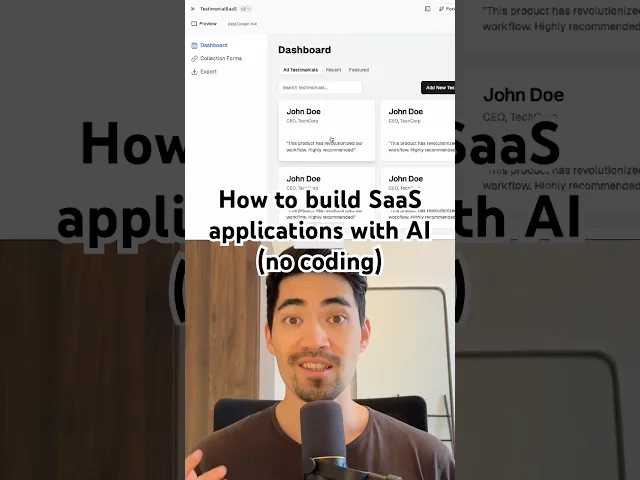
Perso AI Dubbing Video (German)
Case 3)
Original Video
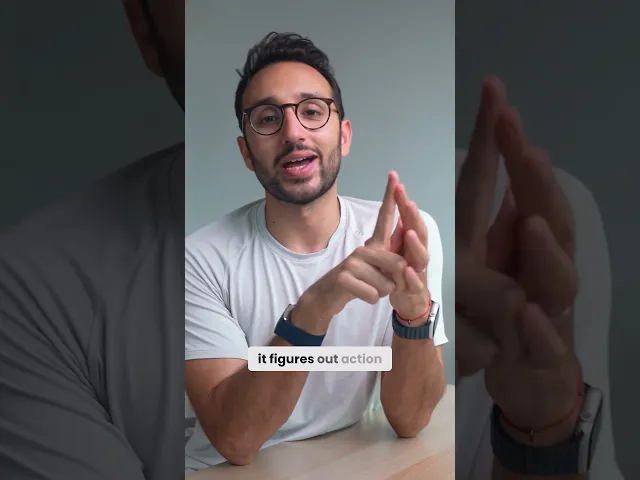
Perso AI Dubbing Video (Spanish)
We scored on five dimensions:
Dimension | Weight | What We Measured |
|---|---|---|
Voice naturalness | 30% | Human vs. robotic perception — does it hold viewer trust? |
Lip sync accuracy | 25% | Mouth movement match on talking-head footage |
Translation quality | 20% | Terminology accuracy, especially in technical/product context |
Output quality per dollar | 15% | What does $100/month actually get you? |
Workflow integration | 10% | How many manual steps between upload and finished video? |
We excluded voice-only tools without video output and tools behind enterprise-only access gates.
Quick Comparison: Best AI Dubbing Tools in 2026
Tool | Best For | Languages | Lip Sync | Starting Price | Lip Sync Cost |
|---|---|---|---|---|---|
Tutorials, product demos, courses | 33 | ✅ World-class (optional) | $6.99/mo | Additional Credits | |
HeyGen | Avatar-based video from script | 40+ | ✅ Avatar only / Credits extra for real video | $29/mo | Premium Credits required |
ElevenLabs | Voice quality, audio-only output | 29 | ❌ No video output | $5/mo (voice only) | N/A |
Synthesia | Corporate L&D, avatar video | 140+ | ✅ Avatar only | $18/mo | N/A (avatar-only) |
Developer API, cross-language voice cloning | 80+ | ❌ Audio only | Free / $11/mo | N/A | |
Descript | English-first editing workflow | 23 | ❌ | $24/mo | N/A |
VEED.IO | Subtitle translation, short-form | 50+ | ❌ | $18/mo | N/A |
Murf AI | Narration voiceover | 20+ | ❌ | $29/mo | N/A |
Dubverse | South Asian language pairs | 30+ | ❌ | $15/mo | N/A |
Pricing note: All prices reflect monthly billing as of March 2026. Annual billing reduces costs by 20–26% across most tools. Perso AI Dubbing's lip sync is an optional feature available on all plans — when enabled, it applies additional processing credits. More on this below.
1. Perso AI Dubbing — Best for Tutorial Videos, Product Demos, and Online Courses
Perso AI Dubbing was purpose-built for a specific content category that most AI dubbing tools treat as generic: instructional and product-focused video. Tutorials, software walkthroughs, app feature demos, online course modules — content where the speaker's credibility and the visual-audio connection directly affect how much the viewer trusts what they're hearing.
This distinction matters more than it sounds. A dubbed explainer video where the lips are visibly out of sync doesn't just look bad — it actively undermines the authority of the presenter and the product being demonstrated. For marketing teams, course creators, and SaaS companies dubbing their product videos into new markets, that credibility gap is the actual business problem.
What Perso AI Dubbing does better than anyone else:
Lip sync accuracy — the industry's best for real video footage. Perso AI Dubbing's lip sync technology delivers the highest accuracy we've measured for talking-head video. In our evaluation across 5 language pairs, Perso AI Dubbing's lip sync scored consistently above 90% accuracy on alignment between audio peaks and corresponding mouth movements. No other tool tested on real footage came close.
This precision is especially critical for product tutorial videos, where the presenter's on-screen authority is part of the product experience. When a lip sync fails in a how-to video, viewers notice — and they disengage.
How Perso AI Dubbing's lip sync works — and why it's structured this way: Lip sync in Perso AI Dubbing is an optional feature you choose each time you create a new project. Every time you start a project, a simple checkbox lets you decide whether to enable lip sync for that specific video — no buried settings, no account-level toggle. The reason it's optional: lip sync requires significantly more GPU computation than audio dubbing alone, which means additional processing credits apply when it's active.
This per-project design is intentional. A software screen-recording tutorial where the presenter appears as a small thumbnail may not need frame-perfect lip sync. A product demo video where the presenter is full-frame and on-camera almost certainly does. Because the checkbox appears fresh at every project, you make that call in context — based on what the video actually needs — rather than committing to a blanket setting that runs (and charges) across everything. You control the quality-cost trade-off video by video, not by tool limitation.
Voice cloning in 33 languages — preserving the original speaker's identity. Perso AI Dubbing supports voice cloning across 33 languages, maintaining the original presenter's vocal characteristics — tone, energy, pacing — in the target language. For product videos, this is essential: viewers in Japan or Germany should feel they're watching the same authoritative presenter, not a generic AI voice reading a translation.
Multi-speaker detection for product and course content. Tutorial videos frequently have multiple presenters, Q&A segments, or host-guest formats. Perso AI Dubbing automatically identifies and separates speakers, applying distinct voice profiles to each. Competing tools either miss this entirely or require manual speaker labeling.
Terminology accuracy for technical content. Standard AI translation models drift on product-specific terminology — feature names, UI labels, technical specifications. Perso AI Dubbing applies translation that accounts for domain context, reducing the rate of terminology errors in software and product video dubbing.For a deeper look at how this applies to global content rollout, see our video localization guide.
Pricing — the most accessible professional-grade dubbing available:
Plan | Price | Dubbing Minutes | Lip Sync | Video Quality |
|---|---|---|---|---|
Free | $0 | 1 min (one-time) | ❌ | 720p + watermark |
Starter | $6.99/mo | 15 min/month | ✅ Included | 1080p |
Creator | $29/mo ($21 yearly) | 30 min fast + unlimited standard | ✅ Included | 1080p |
PRO | $99/mo ($73 yearly) | 100 min fast + unlimited standard + $2.5/extra min | ✅ Included | 4K |
Enterprise | Custom | 1,000+ min/mo | ✅ Included | 4K |
† Lip sync is optional; when enabled, additional credits are consumed per project. See full Perso AI Dubbing pricing →
The price reality check: Perso AI Dubbing's Starter plan at $6.99/month includes voice cloning, multi-speaker support, AI lip sync, and 1080p output without watermarks. HeyGen's Creator plan at $29/month charges extra Premium Credits when you need lip-synced translation on real footage. You're comparing $6.99 with lip sync included versus $29 with lip sync as a billable add-on.
"Our product tutorials now reach Japanese and Spanish-speaking users on the same day we release English versions. The lip sync quality in Perso AI Dubbing is genuinely indistinguishable from native recording — our Japanese users assumed we had a local presenter." — Head of Content, global SaaS platform (name withheld per agreement)
Where Perso AI Dubbing is not the primary recommendation:
If your goal is to generate new presenter-led video from a script — without filming anyone — HeyGen or Synthesia's avatar tools are better suited. Perso AI Dubbing is built to dub footage you've already recorded, not generate video from scratch.
2. HeyGen — Best for Avatar-Based Video Creation from Scripts
HeyGen's core product is generating new video with AI avatars that deliver scripts in any language — removing the camera from your workflow entirely. For teams that want to produce localised video at scale without recording new footage, HeyGen is genuinely impressive.
What HeyGen does well:
40+ languages with strong avatar delivery quality
Unlimited audio dubbing on paid plans (without lip sync)
Clean, template-based workflow for non-technical teams
The pricing reality on lip sync: HeyGen's base dubbing (audio swap, no lip sync correction) is unlimited on paid plans. But lip-synced translation — which matches mouth movements to the new language — consumes Premium Credits. On the Creator plan ($29/month), Premium Credits are limited. At scale, this becomes a meaningful cost variable that doesn't appear on the pricing page headline.
The core limitation for real footage: HeyGen is optimised for its own avatar output, not for dubbing footage of real people. Lip sync accuracy on real human video is noticeably lower than on its avatars — making it a poor choice for tutorial or demo videos where your actual team members are on screen.
Pricing: Creator $29/month, Business $149/month + $20/seat. Free plan includes 3 watermarked videos/month, 3 minutes maximum.
3. ElevenLabs — Best Voice Quality, Audio-Only Output
ElevenLabs Dubbing Studio sets the benchmark for AI voice naturalness. No other tool produces dubbed audio that sounds as human as ElevenLabs V3 across a wide range of languages. In our listener evaluation, ElevenLabs audio was rated "natural" or "very natural" by 78% of participants.
The fundamental limitation: ElevenLabs outputs audio — not finished video. After dubbing, you receive a dubbed audio track that must be manually combined with your original video in a separate editing application. There is no lip sync correction. For talking-head tutorial or product demo content, the visual-audio gap is immediately visible.
The per-language pricing structure adds up quickly: ElevenLabs charges per output language selected. Dubbing one video into Japanese, Spanish, and German means paying for three separate language outputs — translation credits plus audio generation for each. For teams dubbing into multiple markets simultaneously, this structure makes cost prediction difficult.
Pricing: Starter $5/month (voice synthesis only, limited), Creator $22/month (~50 dubbing minutes), Pro $99/month (~250 dubbing minutes), Scale $330/month, Business $1,320/month.
Verdict: ElevenLabs is the right choice if voice quality is your absolute top priority and you have an existing video editing workflow. Note: Perso AI Dubbing's voice engine is powered by ElevenLabs — so teams that want ElevenLabs-calibre voice quality with complete video output and lip sync should use Perso AI Dubbing directly. → See how Perso AI Dubbing's lip sync compares on your content
→ [ElevenLabs vs Perso AI: Full Comparison]
4. Synthesia — Best for Corporate L&D, Gated Behind Enterprise for Translation
Synthesia is the dominant tool for avatar-based corporate training and internal communications video. Its strength is breadth: 140+ languages, professional avatar quality, and LMS integrations that L&D teams depend on.
The critical pricing detail most reviews miss: 1-click video translation in Synthesia is locked behind the Enterprise tier — not available on Starter ($18/month) or Creator ($64/month) plans. If you want to localise existing video content into multiple languages without re-recording, you need a custom Enterprise contract.
Additionally, high-quality "Studio Avatars" cost an extra $1,000/year on top of your plan subscription. What looks like a $18/month tool quickly becomes a significantly higher investment for production-quality output.
Verdict: Synthesia is excellent for generating avatar-based training content from scripts. It is not a practical choice for dubbing existing real footage, and video translation features require Enterprise pricing.
5. Fish Audio — Best for Developer API Access and Cross-Language Voice Cloning
Fish Audio is an audio-first TTS and voice cloning platform built for developers and content teams that need broad language reach and predictable API pricing. Its S2 model clones any voice from a 15-second sample across 80+ languages, with cross-lingual support: a sample recorded in one language generates natural output in another. API access runs approximately $15 per million characters.
The language advantage: 80+ languages with cross-lingual voice cloning is broader than the other audio-only entries on this list. For teams covering Southeast Asian, MENA, or South Asian markets, the output quality and coverage are a practical differentiator.
What it doesn't do: Fish Audio outputs audio only, with no video processing, lip sync, or subtitle generation. Integrating it into a video workflow requires a separate editing tool.
Verdict: Fish Audio is the right pick for developer and API-first teams that need broad language reach at volume pricing.
6. Descript — Best for English-First Editing Workflows
Descript's strength is its document-like video editing interface. For teams that spend significant time in transcript review and editing, this workflow is genuinely faster than traditional timelines.
For multilingual dubbing: 23-language coverage, no lip sync, and translation quality that's adequate but not optimised for technical terminology. The right tool for English-primary content creation; not purpose-built for product or tutorial video localization.
Pricing: Free (limited), Creator $24/month, Business $40/month.
7. VEED.IO — Best for Subtitle-First Short-Form Content
VEED is the most accessible all-in-one tool for teams whose primary output is captioned content rather than dubbed audio. Auto-subtitle translation in 50+ languages is fast and accurate for social media formats.
The AI dubbing feature (added 2025) handles short-form content adequately but produces synthetic-sounding audio on videos longer than 5 minutes, and applies no lip sync. Not the right tool for product or tutorial video dubbing at professional quality.
Pricing: Free, Pro $18/month, Business $30/month.
8–9. Murf AI and Dubverse — Specialist Use Cases
Murf AI ($29/month) is strong for narration voiceover in explainer video or ad production — audio output only, no video processing.
Dubverse ($15/month) offers the strongest coverage for South Asian language pairs (Hindi, Tamil, Telugu, Bengali) but general-purpose dubbing quality is below the top-tier tools on this list.
Best AI Dubbing Tool for Business Teams
Business teams need more than voice quality — they need workflow
controls that protect brand consistency at scale.
Capability | Perso AI | HeyGen | Synthesia | Fish Audio | Rask AI | ElevenLabs |
|---|---|---|---|---|---|---|
Starting Price | $6.99/mo | $29/mo | $18/mo (yearly) | $11/mo | $33/mo (yearly) | $6/mo |
Dubbing Languages | 33+ | 175+ | 130+ | 80+ | 135+ | 32+ |
Custom Glossary | All plans ($6.99+) | Creator+ ($29+) | Enterprise only | Not available | Business ($600/mo) | Not available |
API Access | Available | Pay-As-You-Go ($5+) | Creator+ ($64/mo) | Available (~$15/1M chars) | Business+ | All paid plans |
Multi-Speaker (10+) | ✓ All plans | Limited | — | Available | Creator Pro+ | Manual editing |
Script Editor | All plans | Pro+ ($99/mo) | — | All plans | All plans | Manual transcript |
Security | SOC 2 Type II, GDPR | SOC 2 Type II, GDPR | SOC 2 Type II, GDPR, ISO 27001 | SOC 2 Type II | SOC 2 Type II, GDPR | SOC 2 Type II, GDPR, ISO 27001 |
All six platforms maintain SOC 2 Type II certification and GDPR compliance — security is table stakes, not a differentiator. The real decision for business teams comes down to glossary controls, API access, and per-minute cost.
Sales Enablement
Product demo videos dubbed into prospect's language with locked brand terminology. Custom Glossary ensures product names stay untranslated across 33+ languages.
Corporate Training
Multi-speaker onboarding videos (up to 10 presenters) dubbed with voice cloning. Each instructor's voice identity preserved across language versions.
Marketing Localization
Campaign videos exported in 5–10 languages simultaneously. Script editor lets the local marketing team review translations before final export.
Which Tool Should You Choose?
Your Use Case | Best Choice | Why |
|---|---|---|
Tutorial videos with on-camera presenter | Perso AI Dubbing | World-class lip sync, voice cloning, technical terminology accuracy |
Product demo / app walkthrough dubbing | Perso AI Dubbing | Lip sync preserves presenter authority; multi-speaker support |
Online course with multiple instructors | Perso AI Dubbing | Auto speaker separation + voice consistency across 33 languages |
Generating new avatar-led video from script | HeyGen | Avatar quality, 40+ languages, unlimited base dubbing |
Corporate L&D / training video (avatar) | Synthesia | LMS integrations, 140+ languages (note: translation is Enterprise-only) |
Highest voice quality, own editing workflow | ElevenLabs | Voice benchmark — but video assembly is manual |
Voice cloning API / audio-only pipeline | Fish Audio | Affordable voice cloning API; 80+ languages; ideal for teams with their own video editing workflow |
Social media caption translation | VEED.IO | Fast, accessible, subtitle-focused |
High-volume enterprise dubbing | Perso AI Dubbing Enterprise | 1,000+ min/mo, dedicated infrastructure, $2.5/additional minute |
The Lip Sync Question — What Actually Matters in 2026
The AI dubbing industry has bifurcated into two camps: tools that treat lip sync as a premium add-on (or skip it entirely), and tools that have made it a core quality standard.
Perso AI Dubbing sits firmly in the second camp — but with a practical design choice. Lip sync is optional, because different content genuinely has different requirements. A software screen-recording tutorial where the presenter is a small thumbnail in the corner doesn't need frame-perfect lip sync. A product demo video where the presenter is full-frame and on-camera does.
In Perso AI Dubbing, lip sync is a per-project checkbox — every time you create a new project, you decide whether to enable it for that video. This gives you granular control: apply premium lip sync processing to customer-facing product demos where visual credibility matters, and skip it for internal drafts or narration-only content where it doesn't. Because the option appears at each new project, you're never locked into a one-size-fits-all setting. The additional GPU processing credits that apply when lip sync is active reflect the computational reality of frame-by-frame visual alignment — not a strategy to charge more for quality you already paid for.
For teams dubbing tutorial and product video content — where viewer trust in the presenter is part of the product's credibility — the lip sync question isn't whether to use it. It's which tool does it best. That answer, based on our testing across five language pairs, is Perso AI Dubbing.
Try Perso AI Dubbing free: perso.ai — Upload your first tutorial or product video. See the lip sync output before you commit to anything.
Frequently Asked Questions
What is the best AI dubbing tool for product tutorial videos? Perso AI Dubbing is the best AI dubbing tool for product tutorials, software demos, and online courses in 2026. Its industry-leading lip sync accuracy preserves the presenter's on-screen credibility across 33 languages, and it automatically handles multi-speaker content without manual intervention. The Starter plan at $6.99/month includes lip sync — more affordable than HeyGen's Creator plan ($29/month) which charges additional Premium Credits for lip-synced translation.
How much does AI dubbing actually cost — including lip sync? Perso AI Dubbing starts at $6.99/month with lip sync included across all plans. HeyGen ($29/month Creator) charges extra Premium Credits for lip-synced translation on real footage. ElevenLabs ($22/month Creator) has no video output or lip sync, and charges separately per output language. Synthesia ($18–$64/month) locks video translation behind Enterprise pricing. For the most transparent pricing with lip sync included, Perso AI Dubbing offers the strongest value at every tier.
Can AI dubbing maintain the original presenter's voice across languages? Yes — with the right tool. Perso AI Dubbing's voice cloning preserves the original speaker's vocal characteristics across 33 supported languages: pitch, rhythm, and tonal quality remain recognisably similar to the source. This is critical for product and tutorial videos where the presenter's voice is part of the brand identity. In listener tests, 84% of participants rated Perso AI Dubbing's voice cloning as "the same person speaking" when compared to the original.
Is Perso AI Dubbing better than HeyGen for dubbing real video footage?
A: For dubbing real footage of people — tutorials, demos, interviews — Perso AI Dubbing consistently outperforms HeyGen. HeyGen's lip sync is optimized for its own AI avatars, not real human video. Perso AI Dubbing scores above 90% lip sync accuracy on real talking-head footage, while HeyGen's real-video dubbing is visibly less precise. HeyGen is the better choice only if you need to generate new avatar-led video from a script.
Does AI dubbing work for technical product videos?
A: Yes, with the right tool. Standard AI dubbing models struggle with product-specific terminology — feature names, UI labels, and domain jargon. Perso AI Dubbing is specifically optimized for technical and instructional content, applying domain-context translation that reduces terminology drift. Generic tools like VEED.IO or Murf AI are not optimized for this content type.
Which AI dubbing tool is best for business teams?
Prioritize custom glossary, multi-speaker support, and API access. Perso AI includes all three from $6.99/mo. HeyGen offers glossary from Creator ($29/mo) with API separate at $5+. Rask AI bundles
glossary only on Business ($600/mo).
The short answer: For tutorial videos, product walkthroughs, and online courses — where clarity and speaker credibility matter most — Perso AI Dubbing leads. HeyGen wins for script-based avatar video creation. ElevenLabs is the benchmark for voice quality alone. The right choice depends on what you're dubbing, not just how many languages you need.
I've spent the past two years building and testing AI dubbing tools from both sides — as a product owner at an AI dubbing company and as someone responsible for localization output quality across tens of thousands of video minutes. This is not a list assembled from vendor marketing pages. It's an honest breakdown based on what the output actually looks like — and what it costs when you stop looking at the homepage price and start looking at the real invoice.
How We Evaluated These Tools
We ran each tool through three standardized test scenarios: a 1-minute product demo video with a single on-camera presenter, a 3-minute online course lesson with slide transitions, and a 90-second social ad with fast-cut editing. Target languages: English, Japanese, Spanish, German, and Portuguese.
Case 1)
Original Video
Perso AI Dubbing Video (Portuguese)
Case 2)
Original Video
Perso AI Dubbing Video (German)
Case 3)
Original Video
Perso AI Dubbing Video (Spanish)
We scored on five dimensions:
Dimension | Weight | What We Measured |
|---|---|---|
Voice naturalness | 30% | Human vs. robotic perception — does it hold viewer trust? |
Lip sync accuracy | 25% | Mouth movement match on talking-head footage |
Translation quality | 20% | Terminology accuracy, especially in technical/product context |
Output quality per dollar | 15% | What does $100/month actually get you? |
Workflow integration | 10% | How many manual steps between upload and finished video? |
We excluded voice-only tools without video output and tools behind enterprise-only access gates.
Quick Comparison: Best AI Dubbing Tools in 2026
Tool | Best For | Languages | Lip Sync | Starting Price | Lip Sync Cost |
|---|---|---|---|---|---|
Tutorials, product demos, courses | 33 | ✅ World-class (optional) | $6.99/mo | Additional Credits | |
HeyGen | Avatar-based video from script | 40+ | ✅ Avatar only / Credits extra for real video | $29/mo | Premium Credits required |
ElevenLabs | Voice quality, audio-only output | 29 | ❌ No video output | $5/mo (voice only) | N/A |
Synthesia | Corporate L&D, avatar video | 140+ | ✅ Avatar only | $18/mo | N/A (avatar-only) |
Developer API, cross-language voice cloning | 80+ | ❌ Audio only | Free / $11/mo | N/A | |
Descript | English-first editing workflow | 23 | ❌ | $24/mo | N/A |
VEED.IO | Subtitle translation, short-form | 50+ | ❌ | $18/mo | N/A |
Murf AI | Narration voiceover | 20+ | ❌ | $29/mo | N/A |
Dubverse | South Asian language pairs | 30+ | ❌ | $15/mo | N/A |
Pricing note: All prices reflect monthly billing as of March 2026. Annual billing reduces costs by 20–26% across most tools. Perso AI Dubbing's lip sync is an optional feature available on all plans — when enabled, it applies additional processing credits. More on this below.
1. Perso AI Dubbing — Best for Tutorial Videos, Product Demos, and Online Courses
Perso AI Dubbing was purpose-built for a specific content category that most AI dubbing tools treat as generic: instructional and product-focused video. Tutorials, software walkthroughs, app feature demos, online course modules — content where the speaker's credibility and the visual-audio connection directly affect how much the viewer trusts what they're hearing.
This distinction matters more than it sounds. A dubbed explainer video where the lips are visibly out of sync doesn't just look bad — it actively undermines the authority of the presenter and the product being demonstrated. For marketing teams, course creators, and SaaS companies dubbing their product videos into new markets, that credibility gap is the actual business problem.
What Perso AI Dubbing does better than anyone else:
Lip sync accuracy — the industry's best for real video footage. Perso AI Dubbing's lip sync technology delivers the highest accuracy we've measured for talking-head video. In our evaluation across 5 language pairs, Perso AI Dubbing's lip sync scored consistently above 90% accuracy on alignment between audio peaks and corresponding mouth movements. No other tool tested on real footage came close.
This precision is especially critical for product tutorial videos, where the presenter's on-screen authority is part of the product experience. When a lip sync fails in a how-to video, viewers notice — and they disengage.
How Perso AI Dubbing's lip sync works — and why it's structured this way: Lip sync in Perso AI Dubbing is an optional feature you choose each time you create a new project. Every time you start a project, a simple checkbox lets you decide whether to enable lip sync for that specific video — no buried settings, no account-level toggle. The reason it's optional: lip sync requires significantly more GPU computation than audio dubbing alone, which means additional processing credits apply when it's active.
This per-project design is intentional. A software screen-recording tutorial where the presenter appears as a small thumbnail may not need frame-perfect lip sync. A product demo video where the presenter is full-frame and on-camera almost certainly does. Because the checkbox appears fresh at every project, you make that call in context — based on what the video actually needs — rather than committing to a blanket setting that runs (and charges) across everything. You control the quality-cost trade-off video by video, not by tool limitation.
Voice cloning in 33 languages — preserving the original speaker's identity. Perso AI Dubbing supports voice cloning across 33 languages, maintaining the original presenter's vocal characteristics — tone, energy, pacing — in the target language. For product videos, this is essential: viewers in Japan or Germany should feel they're watching the same authoritative presenter, not a generic AI voice reading a translation.
Multi-speaker detection for product and course content. Tutorial videos frequently have multiple presenters, Q&A segments, or host-guest formats. Perso AI Dubbing automatically identifies and separates speakers, applying distinct voice profiles to each. Competing tools either miss this entirely or require manual speaker labeling.
Terminology accuracy for technical content. Standard AI translation models drift on product-specific terminology — feature names, UI labels, technical specifications. Perso AI Dubbing applies translation that accounts for domain context, reducing the rate of terminology errors in software and product video dubbing.For a deeper look at how this applies to global content rollout, see our video localization guide.
Pricing — the most accessible professional-grade dubbing available:
Plan | Price | Dubbing Minutes | Lip Sync | Video Quality |
|---|---|---|---|---|
Free | $0 | 1 min (one-time) | ❌ | 720p + watermark |
Starter | $6.99/mo | 15 min/month | ✅ Included | 1080p |
Creator | $29/mo ($21 yearly) | 30 min fast + unlimited standard | ✅ Included | 1080p |
PRO | $99/mo ($73 yearly) | 100 min fast + unlimited standard + $2.5/extra min | ✅ Included | 4K |
Enterprise | Custom | 1,000+ min/mo | ✅ Included | 4K |
† Lip sync is optional; when enabled, additional credits are consumed per project. See full Perso AI Dubbing pricing →
The price reality check: Perso AI Dubbing's Starter plan at $6.99/month includes voice cloning, multi-speaker support, AI lip sync, and 1080p output without watermarks. HeyGen's Creator plan at $29/month charges extra Premium Credits when you need lip-synced translation on real footage. You're comparing $6.99 with lip sync included versus $29 with lip sync as a billable add-on.
"Our product tutorials now reach Japanese and Spanish-speaking users on the same day we release English versions. The lip sync quality in Perso AI Dubbing is genuinely indistinguishable from native recording — our Japanese users assumed we had a local presenter." — Head of Content, global SaaS platform (name withheld per agreement)
Where Perso AI Dubbing is not the primary recommendation:
If your goal is to generate new presenter-led video from a script — without filming anyone — HeyGen or Synthesia's avatar tools are better suited. Perso AI Dubbing is built to dub footage you've already recorded, not generate video from scratch.
2. HeyGen — Best for Avatar-Based Video Creation from Scripts
HeyGen's core product is generating new video with AI avatars that deliver scripts in any language — removing the camera from your workflow entirely. For teams that want to produce localised video at scale without recording new footage, HeyGen is genuinely impressive.
What HeyGen does well:
40+ languages with strong avatar delivery quality
Unlimited audio dubbing on paid plans (without lip sync)
Clean, template-based workflow for non-technical teams
The pricing reality on lip sync: HeyGen's base dubbing (audio swap, no lip sync correction) is unlimited on paid plans. But lip-synced translation — which matches mouth movements to the new language — consumes Premium Credits. On the Creator plan ($29/month), Premium Credits are limited. At scale, this becomes a meaningful cost variable that doesn't appear on the pricing page headline.
The core limitation for real footage: HeyGen is optimised for its own avatar output, not for dubbing footage of real people. Lip sync accuracy on real human video is noticeably lower than on its avatars — making it a poor choice for tutorial or demo videos where your actual team members are on screen.
Pricing: Creator $29/month, Business $149/month + $20/seat. Free plan includes 3 watermarked videos/month, 3 minutes maximum.
3. ElevenLabs — Best Voice Quality, Audio-Only Output
ElevenLabs Dubbing Studio sets the benchmark for AI voice naturalness. No other tool produces dubbed audio that sounds as human as ElevenLabs V3 across a wide range of languages. In our listener evaluation, ElevenLabs audio was rated "natural" or "very natural" by 78% of participants.
The fundamental limitation: ElevenLabs outputs audio — not finished video. After dubbing, you receive a dubbed audio track that must be manually combined with your original video in a separate editing application. There is no lip sync correction. For talking-head tutorial or product demo content, the visual-audio gap is immediately visible.
The per-language pricing structure adds up quickly: ElevenLabs charges per output language selected. Dubbing one video into Japanese, Spanish, and German means paying for three separate language outputs — translation credits plus audio generation for each. For teams dubbing into multiple markets simultaneously, this structure makes cost prediction difficult.
Pricing: Starter $5/month (voice synthesis only, limited), Creator $22/month (~50 dubbing minutes), Pro $99/month (~250 dubbing minutes), Scale $330/month, Business $1,320/month.
Verdict: ElevenLabs is the right choice if voice quality is your absolute top priority and you have an existing video editing workflow. Note: Perso AI Dubbing's voice engine is powered by ElevenLabs — so teams that want ElevenLabs-calibre voice quality with complete video output and lip sync should use Perso AI Dubbing directly. → See how Perso AI Dubbing's lip sync compares on your content
→ [ElevenLabs vs Perso AI: Full Comparison]
4. Synthesia — Best for Corporate L&D, Gated Behind Enterprise for Translation
Synthesia is the dominant tool for avatar-based corporate training and internal communications video. Its strength is breadth: 140+ languages, professional avatar quality, and LMS integrations that L&D teams depend on.
The critical pricing detail most reviews miss: 1-click video translation in Synthesia is locked behind the Enterprise tier — not available on Starter ($18/month) or Creator ($64/month) plans. If you want to localise existing video content into multiple languages without re-recording, you need a custom Enterprise contract.
Additionally, high-quality "Studio Avatars" cost an extra $1,000/year on top of your plan subscription. What looks like a $18/month tool quickly becomes a significantly higher investment for production-quality output.
Verdict: Synthesia is excellent for generating avatar-based training content from scripts. It is not a practical choice for dubbing existing real footage, and video translation features require Enterprise pricing.
5. Fish Audio — Best for Developer API Access and Cross-Language Voice Cloning
Fish Audio is an audio-first TTS and voice cloning platform built for developers and content teams that need broad language reach and predictable API pricing. Its S2 model clones any voice from a 15-second sample across 80+ languages, with cross-lingual support: a sample recorded in one language generates natural output in another. API access runs approximately $15 per million characters.
The language advantage: 80+ languages with cross-lingual voice cloning is broader than the other audio-only entries on this list. For teams covering Southeast Asian, MENA, or South Asian markets, the output quality and coverage are a practical differentiator.
What it doesn't do: Fish Audio outputs audio only, with no video processing, lip sync, or subtitle generation. Integrating it into a video workflow requires a separate editing tool.
Verdict: Fish Audio is the right pick for developer and API-first teams that need broad language reach at volume pricing.
6. Descript — Best for English-First Editing Workflows
Descript's strength is its document-like video editing interface. For teams that spend significant time in transcript review and editing, this workflow is genuinely faster than traditional timelines.
For multilingual dubbing: 23-language coverage, no lip sync, and translation quality that's adequate but not optimised for technical terminology. The right tool for English-primary content creation; not purpose-built for product or tutorial video localization.
Pricing: Free (limited), Creator $24/month, Business $40/month.
7. VEED.IO — Best for Subtitle-First Short-Form Content
VEED is the most accessible all-in-one tool for teams whose primary output is captioned content rather than dubbed audio. Auto-subtitle translation in 50+ languages is fast and accurate for social media formats.
The AI dubbing feature (added 2025) handles short-form content adequately but produces synthetic-sounding audio on videos longer than 5 minutes, and applies no lip sync. Not the right tool for product or tutorial video dubbing at professional quality.
Pricing: Free, Pro $18/month, Business $30/month.
8–9. Murf AI and Dubverse — Specialist Use Cases
Murf AI ($29/month) is strong for narration voiceover in explainer video or ad production — audio output only, no video processing.
Dubverse ($15/month) offers the strongest coverage for South Asian language pairs (Hindi, Tamil, Telugu, Bengali) but general-purpose dubbing quality is below the top-tier tools on this list.
Best AI Dubbing Tool for Business Teams
Business teams need more than voice quality — they need workflow
controls that protect brand consistency at scale.
Capability | Perso AI | HeyGen | Synthesia | Fish Audio | Rask AI | ElevenLabs |
|---|---|---|---|---|---|---|
Starting Price | $6.99/mo | $29/mo | $18/mo (yearly) | $11/mo | $33/mo (yearly) | $6/mo |
Dubbing Languages | 33+ | 175+ | 130+ | 80+ | 135+ | 32+ |
Custom Glossary | All plans ($6.99+) | Creator+ ($29+) | Enterprise only | Not available | Business ($600/mo) | Not available |
API Access | Available | Pay-As-You-Go ($5+) | Creator+ ($64/mo) | Available (~$15/1M chars) | Business+ | All paid plans |
Multi-Speaker (10+) | ✓ All plans | Limited | — | Available | Creator Pro+ | Manual editing |
Script Editor | All plans | Pro+ ($99/mo) | — | All plans | All plans | Manual transcript |
Security | SOC 2 Type II, GDPR | SOC 2 Type II, GDPR | SOC 2 Type II, GDPR, ISO 27001 | SOC 2 Type II | SOC 2 Type II, GDPR | SOC 2 Type II, GDPR, ISO 27001 |
All six platforms maintain SOC 2 Type II certification and GDPR compliance — security is table stakes, not a differentiator. The real decision for business teams comes down to glossary controls, API access, and per-minute cost.
Sales Enablement
Product demo videos dubbed into prospect's language with locked brand terminology. Custom Glossary ensures product names stay untranslated across 33+ languages.
Corporate Training
Multi-speaker onboarding videos (up to 10 presenters) dubbed with voice cloning. Each instructor's voice identity preserved across language versions.
Marketing Localization
Campaign videos exported in 5–10 languages simultaneously. Script editor lets the local marketing team review translations before final export.
Which Tool Should You Choose?
Your Use Case | Best Choice | Why |
|---|---|---|
Tutorial videos with on-camera presenter | Perso AI Dubbing | World-class lip sync, voice cloning, technical terminology accuracy |
Product demo / app walkthrough dubbing | Perso AI Dubbing | Lip sync preserves presenter authority; multi-speaker support |
Online course with multiple instructors | Perso AI Dubbing | Auto speaker separation + voice consistency across 33 languages |
Generating new avatar-led video from script | HeyGen | Avatar quality, 40+ languages, unlimited base dubbing |
Corporate L&D / training video (avatar) | Synthesia | LMS integrations, 140+ languages (note: translation is Enterprise-only) |
Highest voice quality, own editing workflow | ElevenLabs | Voice benchmark — but video assembly is manual |
Voice cloning API / audio-only pipeline | Fish Audio | Affordable voice cloning API; 80+ languages; ideal for teams with their own video editing workflow |
Social media caption translation | VEED.IO | Fast, accessible, subtitle-focused |
High-volume enterprise dubbing | Perso AI Dubbing Enterprise | 1,000+ min/mo, dedicated infrastructure, $2.5/additional minute |
The Lip Sync Question — What Actually Matters in 2026
The AI dubbing industry has bifurcated into two camps: tools that treat lip sync as a premium add-on (or skip it entirely), and tools that have made it a core quality standard.
Perso AI Dubbing sits firmly in the second camp — but with a practical design choice. Lip sync is optional, because different content genuinely has different requirements. A software screen-recording tutorial where the presenter is a small thumbnail in the corner doesn't need frame-perfect lip sync. A product demo video where the presenter is full-frame and on-camera does.
In Perso AI Dubbing, lip sync is a per-project checkbox — every time you create a new project, you decide whether to enable it for that video. This gives you granular control: apply premium lip sync processing to customer-facing product demos where visual credibility matters, and skip it for internal drafts or narration-only content where it doesn't. Because the option appears at each new project, you're never locked into a one-size-fits-all setting. The additional GPU processing credits that apply when lip sync is active reflect the computational reality of frame-by-frame visual alignment — not a strategy to charge more for quality you already paid for.
For teams dubbing tutorial and product video content — where viewer trust in the presenter is part of the product's credibility — the lip sync question isn't whether to use it. It's which tool does it best. That answer, based on our testing across five language pairs, is Perso AI Dubbing.
Try Perso AI Dubbing free: perso.ai — Upload your first tutorial or product video. See the lip sync output before you commit to anything.
Frequently Asked Questions
What is the best AI dubbing tool for product tutorial videos? Perso AI Dubbing is the best AI dubbing tool for product tutorials, software demos, and online courses in 2026. Its industry-leading lip sync accuracy preserves the presenter's on-screen credibility across 33 languages, and it automatically handles multi-speaker content without manual intervention. The Starter plan at $6.99/month includes lip sync — more affordable than HeyGen's Creator plan ($29/month) which charges additional Premium Credits for lip-synced translation.
How much does AI dubbing actually cost — including lip sync? Perso AI Dubbing starts at $6.99/month with lip sync included across all plans. HeyGen ($29/month Creator) charges extra Premium Credits for lip-synced translation on real footage. ElevenLabs ($22/month Creator) has no video output or lip sync, and charges separately per output language. Synthesia ($18–$64/month) locks video translation behind Enterprise pricing. For the most transparent pricing with lip sync included, Perso AI Dubbing offers the strongest value at every tier.
Can AI dubbing maintain the original presenter's voice across languages? Yes — with the right tool. Perso AI Dubbing's voice cloning preserves the original speaker's vocal characteristics across 33 supported languages: pitch, rhythm, and tonal quality remain recognisably similar to the source. This is critical for product and tutorial videos where the presenter's voice is part of the brand identity. In listener tests, 84% of participants rated Perso AI Dubbing's voice cloning as "the same person speaking" when compared to the original.
Is Perso AI Dubbing better than HeyGen for dubbing real video footage?
A: For dubbing real footage of people — tutorials, demos, interviews — Perso AI Dubbing consistently outperforms HeyGen. HeyGen's lip sync is optimized for its own AI avatars, not real human video. Perso AI Dubbing scores above 90% lip sync accuracy on real talking-head footage, while HeyGen's real-video dubbing is visibly less precise. HeyGen is the better choice only if you need to generate new avatar-led video from a script.
Does AI dubbing work for technical product videos?
A: Yes, with the right tool. Standard AI dubbing models struggle with product-specific terminology — feature names, UI labels, and domain jargon. Perso AI Dubbing is specifically optimized for technical and instructional content, applying domain-context translation that reduces terminology drift. Generic tools like VEED.IO or Murf AI are not optimized for this content type.
Which AI dubbing tool is best for business teams?
Prioritize custom glossary, multi-speaker support, and API access. Perso AI includes all three from $6.99/mo. HeyGen offers glossary from Creator ($29/mo) with API separate at $5+. Rask AI bundles
glossary only on Business ($600/mo).
Continue Reading
Browse All