免費線上影片翻譯器:最佳影片語音翻譯器






人工智能視頻翻譯、定位和配音工具
免費試用
是的——市面上確實存在免費的影片翻譯工具,而 Perso Dubbing 就是其中之一。 Perso Dubbing 提供免費方案,涵蓋 33 種以上語言的 AI 影片翻譯、配音和字幕生成,並配備能保留原講者音調的語音複製技術。對於需要零前期成本進行影片內容在地化的創作者、教育工作者和行銷人員來說,它是此類別中功能最關鍵的免費入門起點。
什麼是線上影片翻譯器?
線上影片翻譯器是一種將影片內容轉換為其他語言的工具——自動處理轉錄、翻譯,以及字幕生成或配音音訊——無需手動錄音室錄影或尋求外部代理商合作。
此類別中最好的工具會在一個工作流程中完成三件事:
轉錄原始口說音訊為文本
翻譯轉錄文本至一種或多種目標語言
生成配音音訊(將原講者的聲音複製到新語言中)、字幕或兩者兼具
對大多數使用者而言,核心問題不在於工具是否存在,而在於免費版本實際包含哪些內容,以及付費方案從何處開始。
免費影片翻譯實際包含哪些內容
各款影片翻譯工具的免費方案差異很大。大多數會限制以下一項或多項:每月分鐘數、語言選項、匯出格式,或者是否包含配音音訊(相較於僅限字幕)。
Perso Dubbing 的免費方案包括:
支援 33 種以上語言的 AI 影片翻譯和配音
字幕和腳本編輯器,用於在匯出前預覽翻譯好的句子
每日更新額度——因此免費額度每天都會重置,而不是在當月用盡
這使得 Perso Dubbing 的免費方案比僅提供單次試用匯出或限時體驗的工具更具實用價值。超過 460,000 名創作者和企業正在使用該平台,其中 80% 的使用者來自韓國以外的地區。
針對需要更高每月額度的團隊,付費方案起價為每月 6.99 美元——與需要配音員、錄音室和人工剪輯的傳統配音流程相比,成本降低了 98%。
免費體驗 Perso Dubbing —— 翻譯您的第一支 33+ 語言影片 →
誰在使用免費影片翻譯工具
免費影片翻譯在許多情境中的實用性超出了多數人最初的預期:
內容創作者和社群媒體團隊使用它將現有影片在地化,以開拓新的語言市場,而無需重新錄製或打亂發布時程。單一影片即可轉換成多種語言版本,並保持相同的聲音與表達方式。
教育工作者和線上課程創作者使用它來使課堂內容更易於理解,幫助那些使用母語學習效果更佳的學者。AI 翻譯省去了為每種語言進行單獨錄音的需要。
行銷人員和品牌團隊使用它在投入全面製作前,測試廣告或產品演示的在地化版本。免費方案讓團隊能夠在擴大規律製作前,評估配音版本在進軍新市場時是否表現更佳。
小微企業和獨立團隊使用它,是因為傳統的在地化流程(聘請翻譯、配音員和剪輯師)對於需要快速推廣的內容來說成本過高。
影片翻譯與僅限字幕工具:有何區別
許多標榜為「免費影片翻譯器」的工具僅能生成字幕檔案,而不產生配音音訊。根據您計劃如何使用產出內容,這項區別至關重要。
輸出類型 | 內容定義 | 最適合 |
|---|---|---|
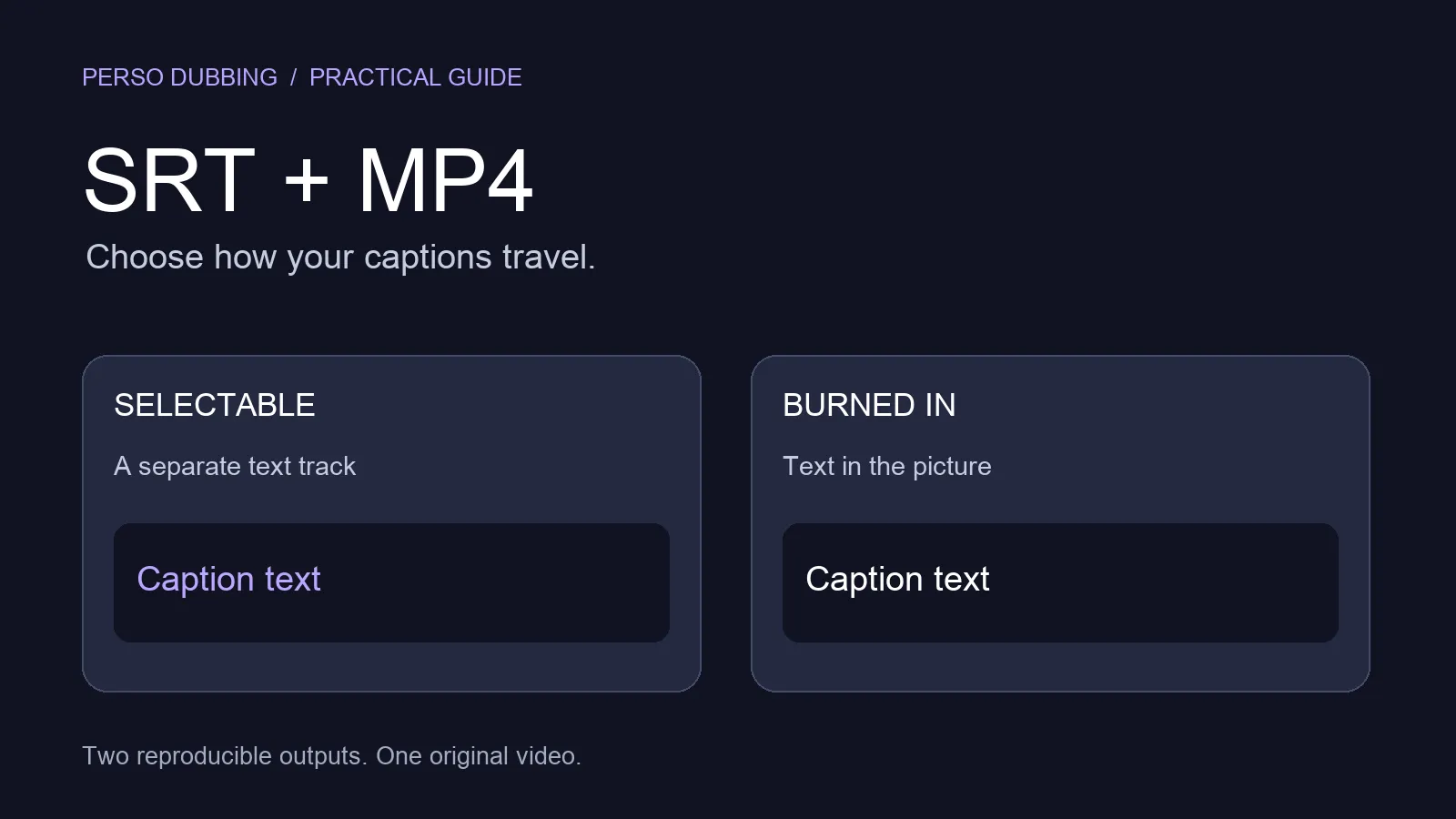
僅限字幕 | 原始影片上疊加翻譯文字 | 觀眾習慣閱讀字幕的平台;無障礙輔助 |
配音音訊 | 與影片同步的目標語言新音軌 | 喜好聆聽的受眾;短影音內容;產品演示 |
配音音訊 + 嘴型同步 | 配音音訊與講者的嘴唇動作對齊 | 真人出鏡影片、廣告、臉部清晰可見的創作者內容 |
配音音訊 + 字幕 | 結合上述兩種音軌 | 最大化無障礙體驗與傳播範圍 |
Perso Dubbing 在一個工作流程中即可生成具備語音複製和嘴型同步的配音音訊,外加字幕檔案——全面涵蓋所有需求。多數免費的僅限字幕工具僅能做到第一列的程度。
如何線上翻譯影片:使用 Perso Dubbing 的 3 個步驟
步驟 1 — 上傳影片或貼上 URL Perso Dubbing 支援直接從 YouTube 和 TikTok 匯入網址,以及直接上傳檔案,無需進行特殊的格式轉換。
步驟 2 — 選擇您的目標語言 從 33 種以上支援的語言中選擇。您可以在單次操作中選擇多種語言,從單一來源影片生成多個在地化版本。
步驟 3 — 預覽並匯出 內建的腳本編輯器會在最終渲染前顯示翻譯好的轉錄文字。您可以修改任何需要調整的句子(例如品牌專業術語、文化背景提及或表達方式),然後匯出配音影片、字幕或二者兼具。
免費方案透過每日更新額度,完整支援此操作流程。
選擇免費影片翻譯工具時應注意什麼
並非所有免費工具都值得投入時間去設定。在決定使用某個平台之前,請檢查以下五點:
它是能產生配音音訊,還是僅限字幕? 如果您需要觀眾聆聽翻譯而非僅僅閱讀,僅限字幕的工具無法滿足您的需求。
它能保留原講者的聲音嗎? 通用的 AI 聲音無法保持原講者的音調、個性或可信度。語音複製是區分在地化品質產出與基本翻譯的關鍵功能。
您能在匯出前編輯翻譯好的文本嗎? 翻譯錯誤很常見,尤其是對於品牌名稱、技術術語或特定文化背景。整合在工作流程中的腳本編輯器可防止這些錯誤出現在最終影片中。
免費額度是如何重置的? 每月上限很快就會用完。像是 Perso Dubbing 免費方案提供的每日更新額度,能讓您在不立即訂閱付費方案的情況下,獲得更穩定的使用權限。
當您需要擴大使用規模時會怎樣? 最好的免費工具都提供清晰且實惠的升級路徑。Perso Dubbing 的付費方案起價為每月 6.99 美元,這使得經常產出在地化內容的團隊在經濟上也能持續維繫。
常見問題
網路上有真正免費的影片翻譯器嗎? 有的。Perso Dubbing 提供每日更新額度的免費方案,其中涵蓋 AI 影片翻譯、33 種以上語言的配音、語音複製、嘴型同步以及字幕生成——且沒有在幾次匯出後就失效的月度上限。對於需要配音產出而不僅僅是字幕的創作者和團隊來說,它是此類別中最完整的免費入門起點。
影片翻譯和影片配音有什麼區別? 影片翻譯是指將影片中的口說內容轉換為另一種語言,通常表現為字幕檔案或文字轉錄。影片配音則更進一步——它生成與原始影片同步的目標語言新音訊。像 Perso Dubbing 這樣最頂尖的工具,結合了翻譯、語音複製與嘴型同步,使配音版本在新語言中聽起來和看起來就像是原講者本人口說一般。
免費影片翻譯工具支持多少種語言? 這因平台而異。Perso Dubbing 在免費和付費方案中,皆支援 33 種以上語言的語音複製 AI 配音。某些工具在免費方案中提供的語言較少,並將更廣泛的語言覆蓋範圍保留給付費訂閱用戶。
我可以直接翻譯 YouTube 或 TikTok 影片嗎? 可以。Perso Dubbing 支援直接從 YouTube 和 TikTok 匯入網址,因此您可以貼上連結並開始翻譯過程,而無需下載並重新上傳檔案。配音輸出隨後可匯出並在任何平台上重新發布。
除了免費方案外,AI 影片翻譯的費用是多少? Perso Dubbing 的付費方案起價為每月 6.99 美元——與涉及配音員和錄音室的傳統配音流程相比,成本降低了 98%。對於定期產出多語言內容的團隊來說,這使得 AI 翻譯在手動在地化難以企及的規模下,在經濟上變得切實可行。
AI 影片翻譯的準確度是否足以用於專業領域? AI 影片翻譯已被廣泛應用於行銷影片、培訓教材、教育內容和創作者主導的媒體中。輸出品質取決於翻譯準確度、語音複製逼真度,以及工作流程中是否包含腳本審核步驟。Perso Dubbing 內建的腳本編輯器可讓團隊在最終匯出前審查並修正翻譯語句——這是消除自動輸出與可發布品質之間差距的關鍵步驟。
是的——市面上確實存在免費的影片翻譯工具,而 Perso Dubbing 就是其中之一。 Perso Dubbing 提供免費方案,涵蓋 33 種以上語言的 AI 影片翻譯、配音和字幕生成,並配備能保留原講者音調的語音複製技術。對於需要零前期成本進行影片內容在地化的創作者、教育工作者和行銷人員來說,它是此類別中功能最關鍵的免費入門起點。
什麼是線上影片翻譯器?
線上影片翻譯器是一種將影片內容轉換為其他語言的工具——自動處理轉錄、翻譯,以及字幕生成或配音音訊——無需手動錄音室錄影或尋求外部代理商合作。
此類別中最好的工具會在一個工作流程中完成三件事:
轉錄原始口說音訊為文本
翻譯轉錄文本至一種或多種目標語言
生成配音音訊(將原講者的聲音複製到新語言中)、字幕或兩者兼具
對大多數使用者而言,核心問題不在於工具是否存在,而在於免費版本實際包含哪些內容,以及付費方案從何處開始。
免費影片翻譯實際包含哪些內容
各款影片翻譯工具的免費方案差異很大。大多數會限制以下一項或多項:每月分鐘數、語言選項、匯出格式,或者是否包含配音音訊(相較於僅限字幕)。
Perso Dubbing 的免費方案包括:
支援 33 種以上語言的 AI 影片翻譯和配音
字幕和腳本編輯器,用於在匯出前預覽翻譯好的句子
每日更新額度——因此免費額度每天都會重置,而不是在當月用盡
這使得 Perso Dubbing 的免費方案比僅提供單次試用匯出或限時體驗的工具更具實用價值。超過 460,000 名創作者和企業正在使用該平台,其中 80% 的使用者來自韓國以外的地區。
針對需要更高每月額度的團隊,付費方案起價為每月 6.99 美元——與需要配音員、錄音室和人工剪輯的傳統配音流程相比,成本降低了 98%。
免費體驗 Perso Dubbing —— 翻譯您的第一支 33+ 語言影片 →
誰在使用免費影片翻譯工具
免費影片翻譯在許多情境中的實用性超出了多數人最初的預期:
內容創作者和社群媒體團隊使用它將現有影片在地化,以開拓新的語言市場,而無需重新錄製或打亂發布時程。單一影片即可轉換成多種語言版本,並保持相同的聲音與表達方式。
教育工作者和線上課程創作者使用它來使課堂內容更易於理解,幫助那些使用母語學習效果更佳的學者。AI 翻譯省去了為每種語言進行單獨錄音的需要。
行銷人員和品牌團隊使用它在投入全面製作前,測試廣告或產品演示的在地化版本。免費方案讓團隊能夠在擴大規律製作前,評估配音版本在進軍新市場時是否表現更佳。
小微企業和獨立團隊使用它,是因為傳統的在地化流程(聘請翻譯、配音員和剪輯師)對於需要快速推廣的內容來說成本過高。
影片翻譯與僅限字幕工具:有何區別
許多標榜為「免費影片翻譯器」的工具僅能生成字幕檔案,而不產生配音音訊。根據您計劃如何使用產出內容,這項區別至關重要。
輸出類型 | 內容定義 | 最適合 |
|---|---|---|
僅限字幕 | 原始影片上疊加翻譯文字 | 觀眾習慣閱讀字幕的平台;無障礙輔助 |
配音音訊 | 與影片同步的目標語言新音軌 | 喜好聆聽的受眾;短影音內容;產品演示 |
配音音訊 + 嘴型同步 | 配音音訊與講者的嘴唇動作對齊 | 真人出鏡影片、廣告、臉部清晰可見的創作者內容 |
配音音訊 + 字幕 | 結合上述兩種音軌 | 最大化無障礙體驗與傳播範圍 |
Perso Dubbing 在一個工作流程中即可生成具備語音複製和嘴型同步的配音音訊,外加字幕檔案——全面涵蓋所有需求。多數免費的僅限字幕工具僅能做到第一列的程度。
如何線上翻譯影片:使用 Perso Dubbing 的 3 個步驟
步驟 1 — 上傳影片或貼上 URL Perso Dubbing 支援直接從 YouTube 和 TikTok 匯入網址,以及直接上傳檔案,無需進行特殊的格式轉換。
步驟 2 — 選擇您的目標語言 從 33 種以上支援的語言中選擇。您可以在單次操作中選擇多種語言,從單一來源影片生成多個在地化版本。
步驟 3 — 預覽並匯出 內建的腳本編輯器會在最終渲染前顯示翻譯好的轉錄文字。您可以修改任何需要調整的句子(例如品牌專業術語、文化背景提及或表達方式),然後匯出配音影片、字幕或二者兼具。
免費方案透過每日更新額度,完整支援此操作流程。
選擇免費影片翻譯工具時應注意什麼
並非所有免費工具都值得投入時間去設定。在決定使用某個平台之前,請檢查以下五點:
它是能產生配音音訊,還是僅限字幕? 如果您需要觀眾聆聽翻譯而非僅僅閱讀,僅限字幕的工具無法滿足您的需求。
它能保留原講者的聲音嗎? 通用的 AI 聲音無法保持原講者的音調、個性或可信度。語音複製是區分在地化品質產出與基本翻譯的關鍵功能。
您能在匯出前編輯翻譯好的文本嗎? 翻譯錯誤很常見,尤其是對於品牌名稱、技術術語或特定文化背景。整合在工作流程中的腳本編輯器可防止這些錯誤出現在最終影片中。
免費額度是如何重置的? 每月上限很快就會用完。像是 Perso Dubbing 免費方案提供的每日更新額度,能讓您在不立即訂閱付費方案的情況下,獲得更穩定的使用權限。
當您需要擴大使用規模時會怎樣? 最好的免費工具都提供清晰且實惠的升級路徑。Perso Dubbing 的付費方案起價為每月 6.99 美元,這使得經常產出在地化內容的團隊在經濟上也能持續維繫。
常見問題
網路上有真正免費的影片翻譯器嗎? 有的。Perso Dubbing 提供每日更新額度的免費方案,其中涵蓋 AI 影片翻譯、33 種以上語言的配音、語音複製、嘴型同步以及字幕生成——且沒有在幾次匯出後就失效的月度上限。對於需要配音產出而不僅僅是字幕的創作者和團隊來說,它是此類別中最完整的免費入門起點。
影片翻譯和影片配音有什麼區別? 影片翻譯是指將影片中的口說內容轉換為另一種語言,通常表現為字幕檔案或文字轉錄。影片配音則更進一步——它生成與原始影片同步的目標語言新音訊。像 Perso Dubbing 這樣最頂尖的工具,結合了翻譯、語音複製與嘴型同步,使配音版本在新語言中聽起來和看起來就像是原講者本人口說一般。
免費影片翻譯工具支持多少種語言? 這因平台而異。Perso Dubbing 在免費和付費方案中,皆支援 33 種以上語言的語音複製 AI 配音。某些工具在免費方案中提供的語言較少,並將更廣泛的語言覆蓋範圍保留給付費訂閱用戶。
我可以直接翻譯 YouTube 或 TikTok 影片嗎? 可以。Perso Dubbing 支援直接從 YouTube 和 TikTok 匯入網址,因此您可以貼上連結並開始翻譯過程,而無需下載並重新上傳檔案。配音輸出隨後可匯出並在任何平台上重新發布。
除了免費方案外,AI 影片翻譯的費用是多少? Perso Dubbing 的付費方案起價為每月 6.99 美元——與涉及配音員和錄音室的傳統配音流程相比,成本降低了 98%。對於定期產出多語言內容的團隊來說,這使得 AI 翻譯在手動在地化難以企及的規模下,在經濟上變得切實可行。
AI 影片翻譯的準確度是否足以用於專業領域? AI 影片翻譯已被廣泛應用於行銷影片、培訓教材、教育內容和創作者主導的媒體中。輸出品質取決於翻譯準確度、語音複製逼真度,以及工作流程中是否包含腳本審核步驟。Perso Dubbing 內建的腳本編輯器可讓團隊在最終匯出前審查並修正翻譯語句——這是消除自動輸出與可發布品質之間差距的關鍵步驟。
是的——市面上確實存在免費的影片翻譯工具,而 Perso Dubbing 就是其中之一。 Perso Dubbing 提供免費方案,涵蓋 33 種以上語言的 AI 影片翻譯、配音和字幕生成,並配備能保留原講者音調的語音複製技術。對於需要零前期成本進行影片內容在地化的創作者、教育工作者和行銷人員來說,它是此類別中功能最關鍵的免費入門起點。
什麼是線上影片翻譯器?
線上影片翻譯器是一種將影片內容轉換為其他語言的工具——自動處理轉錄、翻譯,以及字幕生成或配音音訊——無需手動錄音室錄影或尋求外部代理商合作。
此類別中最好的工具會在一個工作流程中完成三件事:
轉錄原始口說音訊為文本
翻譯轉錄文本至一種或多種目標語言
生成配音音訊(將原講者的聲音複製到新語言中)、字幕或兩者兼具
對大多數使用者而言,核心問題不在於工具是否存在,而在於免費版本實際包含哪些內容,以及付費方案從何處開始。
免費影片翻譯實際包含哪些內容
各款影片翻譯工具的免費方案差異很大。大多數會限制以下一項或多項:每月分鐘數、語言選項、匯出格式,或者是否包含配音音訊(相較於僅限字幕)。
Perso Dubbing 的免費方案包括:
支援 33 種以上語言的 AI 影片翻譯和配音
字幕和腳本編輯器,用於在匯出前預覽翻譯好的句子
每日更新額度——因此免費額度每天都會重置,而不是在當月用盡
這使得 Perso Dubbing 的免費方案比僅提供單次試用匯出或限時體驗的工具更具實用價值。超過 460,000 名創作者和企業正在使用該平台,其中 80% 的使用者來自韓國以外的地區。
針對需要更高每月額度的團隊,付費方案起價為每月 6.99 美元——與需要配音員、錄音室和人工剪輯的傳統配音流程相比,成本降低了 98%。
免費體驗 Perso Dubbing —— 翻譯您的第一支 33+ 語言影片 →
誰在使用免費影片翻譯工具
免費影片翻譯在許多情境中的實用性超出了多數人最初的預期:
內容創作者和社群媒體團隊使用它將現有影片在地化,以開拓新的語言市場,而無需重新錄製或打亂發布時程。單一影片即可轉換成多種語言版本,並保持相同的聲音與表達方式。
教育工作者和線上課程創作者使用它來使課堂內容更易於理解,幫助那些使用母語學習效果更佳的學者。AI 翻譯省去了為每種語言進行單獨錄音的需要。
行銷人員和品牌團隊使用它在投入全面製作前,測試廣告或產品演示的在地化版本。免費方案讓團隊能夠在擴大規律製作前,評估配音版本在進軍新市場時是否表現更佳。
小微企業和獨立團隊使用它,是因為傳統的在地化流程(聘請翻譯、配音員和剪輯師)對於需要快速推廣的內容來說成本過高。
影片翻譯與僅限字幕工具:有何區別
許多標榜為「免費影片翻譯器」的工具僅能生成字幕檔案,而不產生配音音訊。根據您計劃如何使用產出內容,這項區別至關重要。
輸出類型 | 內容定義 | 最適合 |
|---|---|---|
僅限字幕 | 原始影片上疊加翻譯文字 | 觀眾習慣閱讀字幕的平台;無障礙輔助 |
配音音訊 | 與影片同步的目標語言新音軌 | 喜好聆聽的受眾;短影音內容;產品演示 |
配音音訊 + 嘴型同步 | 配音音訊與講者的嘴唇動作對齊 | 真人出鏡影片、廣告、臉部清晰可見的創作者內容 |
配音音訊 + 字幕 | 結合上述兩種音軌 | 最大化無障礙體驗與傳播範圍 |
Perso Dubbing 在一個工作流程中即可生成具備語音複製和嘴型同步的配音音訊,外加字幕檔案——全面涵蓋所有需求。多數免費的僅限字幕工具僅能做到第一列的程度。
如何線上翻譯影片:使用 Perso Dubbing 的 3 個步驟
步驟 1 — 上傳影片或貼上 URL Perso Dubbing 支援直接從 YouTube 和 TikTok 匯入網址,以及直接上傳檔案,無需進行特殊的格式轉換。
步驟 2 — 選擇您的目標語言 從 33 種以上支援的語言中選擇。您可以在單次操作中選擇多種語言,從單一來源影片生成多個在地化版本。
步驟 3 — 預覽並匯出 內建的腳本編輯器會在最終渲染前顯示翻譯好的轉錄文字。您可以修改任何需要調整的句子(例如品牌專業術語、文化背景提及或表達方式),然後匯出配音影片、字幕或二者兼具。
免費方案透過每日更新額度,完整支援此操作流程。
選擇免費影片翻譯工具時應注意什麼
並非所有免費工具都值得投入時間去設定。在決定使用某個平台之前,請檢查以下五點:
它是能產生配音音訊,還是僅限字幕? 如果您需要觀眾聆聽翻譯而非僅僅閱讀,僅限字幕的工具無法滿足您的需求。
它能保留原講者的聲音嗎? 通用的 AI 聲音無法保持原講者的音調、個性或可信度。語音複製是區分在地化品質產出與基本翻譯的關鍵功能。
您能在匯出前編輯翻譯好的文本嗎? 翻譯錯誤很常見,尤其是對於品牌名稱、技術術語或特定文化背景。整合在工作流程中的腳本編輯器可防止這些錯誤出現在最終影片中。
免費額度是如何重置的? 每月上限很快就會用完。像是 Perso Dubbing 免費方案提供的每日更新額度,能讓您在不立即訂閱付費方案的情況下,獲得更穩定的使用權限。
當您需要擴大使用規模時會怎樣? 最好的免費工具都提供清晰且實惠的升級路徑。Perso Dubbing 的付費方案起價為每月 6.99 美元,這使得經常產出在地化內容的團隊在經濟上也能持續維繫。
常見問題
網路上有真正免費的影片翻譯器嗎? 有的。Perso Dubbing 提供每日更新額度的免費方案,其中涵蓋 AI 影片翻譯、33 種以上語言的配音、語音複製、嘴型同步以及字幕生成——且沒有在幾次匯出後就失效的月度上限。對於需要配音產出而不僅僅是字幕的創作者和團隊來說,它是此類別中最完整的免費入門起點。
影片翻譯和影片配音有什麼區別? 影片翻譯是指將影片中的口說內容轉換為另一種語言,通常表現為字幕檔案或文字轉錄。影片配音則更進一步——它生成與原始影片同步的目標語言新音訊。像 Perso Dubbing 這樣最頂尖的工具,結合了翻譯、語音複製與嘴型同步,使配音版本在新語言中聽起來和看起來就像是原講者本人口說一般。
免費影片翻譯工具支持多少種語言? 這因平台而異。Perso Dubbing 在免費和付費方案中,皆支援 33 種以上語言的語音複製 AI 配音。某些工具在免費方案中提供的語言較少,並將更廣泛的語言覆蓋範圍保留給付費訂閱用戶。
我可以直接翻譯 YouTube 或 TikTok 影片嗎? 可以。Perso Dubbing 支援直接從 YouTube 和 TikTok 匯入網址,因此您可以貼上連結並開始翻譯過程,而無需下載並重新上傳檔案。配音輸出隨後可匯出並在任何平台上重新發布。
除了免費方案外,AI 影片翻譯的費用是多少? Perso Dubbing 的付費方案起價為每月 6.99 美元——與涉及配音員和錄音室的傳統配音流程相比,成本降低了 98%。對於定期產出多語言內容的團隊來說,這使得 AI 翻譯在手動在地化難以企及的規模下,在經濟上變得切實可行。
AI 影片翻譯的準確度是否足以用於專業領域? AI 影片翻譯已被廣泛應用於行銷影片、培訓教材、教育內容和創作者主導的媒體中。輸出品質取決於翻譯準確度、語音複製逼真度,以及工作流程中是否包含腳本審核步驟。Perso Dubbing 內建的腳本編輯器可讓團隊在最終匯出前審查並修正翻譯語句——這是消除自動輸出與可發布品質之間差距的關鍵步驟。
繼續閱讀
瀏覽全部